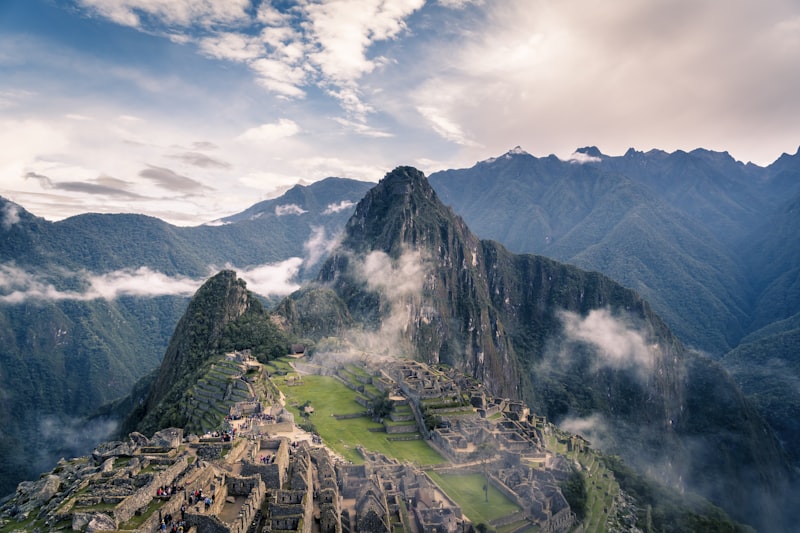
The Inca Trail to Machu Picchu is one of the world's most famous and breathtaking hikes. Winding through the Andes Mountains in Peru, this ancient route takes you past stunning mountain scenery, mysterious ruins, and lush cloud forests before arriving at the iconic Lost City of the Incas.
For many, hiking the Inca Trail is a bucket-list experience. But with altitude challenges, limited permits, and the physical demands of the trek, it can feel intimidating — especially for beginners. This guide will walk you through everything you need to know about planning, preparing, and completing the Inca Trail like a pro.
1. Understanding the Inca Trail
The classic Inca Trail is a 4-day, 3-night trek that covers approximately 43 kilometers (26 miles). The trail begins at Piscacucho (Km 82) and ends at the Sun Gate (Inti Punku), which offers the first view of Machu Picchu. The trek reaches its highest point at Dead Woman's Pass (4,215 meters / 13,828 feet), making altitude acclimatization a key consideration.
There are also shorter alternatives, including the 2-day Inca Trail, which is ideal for those with limited time or who want a less strenuous experience. However, the 4-day trek remains the most popular and rewarding option.
2. Booking Your Permit — Act Fast!
Permits for the Inca Trail are strictly limited to 500 people per day (including guides and porters). This means only about 200–250 trekkers start the trail each day. Permits sell out months in advance, especially for the dry season (May to September).
Pro tip: Book your permit at least 3–6 months in advance. If you're flexible with dates, consider visiting during the shoulder season (April or October) when the weather is still favorable and permits are easier to secure.
📌 Remember: You cannot hike the Inca Trail without a licensed tour operator. All permits are issued to tour companies, which then organize guides, porters, and logistics. Choose a reputable company with good reviews and responsible tourism practices.
3. Physical Preparation
The Inca Trail is physically demanding, especially for those not used to high altitudes. To prepare, start training at least 2–3 months before your trek:
- Cardio training: Hiking, running, cycling, or stair climbing — aim for 3–4 sessions per week.
- Strength training: Focus on your legs, core, and back to handle the weight of your daypack.
- Altitude training: Spend 2–3 days in Cusco or the Sacred Valley before the trek to acclimatize. Drink plenty of water and avoid alcohol during this time.
4. What to Pack
Packing efficiently is crucial for the Inca Trail. Your tour operator will provide porters to carry your main gear, so you'll only need a daypack (around 20–30 liters) for essentials. Here's a checklist:
- Clothing: Moisture-wicking base layers, fleece, lightweight hiking pants, waterproof jacket, warm hat, gloves, and a sun hat.
- Footwear: Comfortable, broken-in hiking boots with good ankle support.
- Gear: Daypack, headlamp, trekking poles (highly recommended), reusable water bottle or hydration bladder.
- Other: Sunscreen, insect repellent, toiletries, personal medication, and a camera to capture the stunning views.
5. What to Expect on the Trail
The Inca Trail is divided into four distinct days, each with its own challenges and rewards:
- Day 1: Piscacucho to Wayllabamba — a relatively easy day with gradual uphill sections and beautiful river views.
- Day 2: The hardest day — a steep ascent to Dead Woman's Pass (4,215m). Start early, pace yourself, and enjoy the sense of achievement at the top!
- Day 3: A stunning day through cloud forests and Inca ruins, with panoramic views of the Andes.
- Day 4: Wake up early (around 3 AM) to reach the Sun Gate for sunrise over Machu Picchu — the most magical moment of the trek.
💡 Pro Tip: Pack light snacks like trail mix, chocolate, and energy bars. The meals provided by your tour operator are hearty, but having extra snacks keeps you energized during long hiking stretches.
6. Altitude Sickness — What to Know
Altitude sickness is common on the Inca Trail due to the high elevation. Symptoms include headaches, nausea, fatigue, and shortness of breath. Here's how to manage it:
- Stay hydrated: Drink at least 2–3 liters of water daily.
- Avoid alcohol and heavy meals — they can worsen symptoms.
- Take it slow: Walk at a steady, comfortable pace. The trail isn't a race.
- Use altitude medication like Diamox (consult a doctor before your trip).
7. Arriving at Machu Picchu
After four days of trekking, arriving at Machu Picchu is unforgettable. The first view from the Sun Gate is a moment you'll never forget — the ancient city emerges from the mist, surrounded by terraced mountains and lush green peaks.
After exploring the ruins, you'll take a bus down to Aguas Calientes (the town at the base of Machu Picchu) and catch the train back to Cusco. Take time to reflect on the journey — you've just completed one of the most incredible hikes in the world.
📌 Final Thought: The Inca Trail is more than just a hike — it's a journey through history, culture, and nature. With the right preparation and attitude, even beginners can complete this once-in-a-lifetime adventure. Go slow, enjoy the views, and soak in every moment.
Whether you're a seasoned trekker or a first-timer, the Inca Trail is an experience that will stay with you forever. Start planning early, prepare physically, and get ready for an adventure of a lifetime.
Safe travels — and may your journey to Machu Picchu be as magical as the legends say!