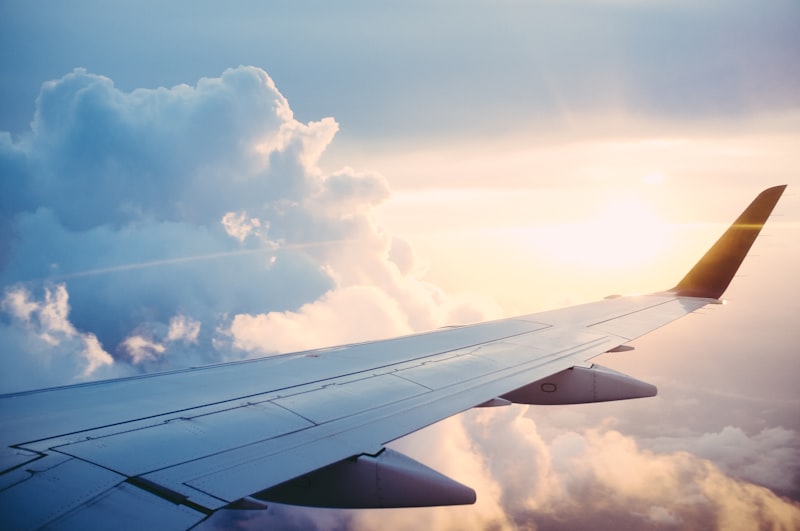
Air travel has become an essential part of modern life. Whether you're flying for business, leisure, or visiting family, the experience can range from smooth and enjoyable to stressful and exhausting. In this guide, we've compiled the best tips from frequent flyers to help you navigate airports, flights, and delays like a pro — so you can focus on what really matters: your journey.
1. Book Smart: Timing Is Everything
One of the most overlooked aspects of stress-free travel is when you book. According to travel experts, the best time to book domestic flights is 1–3 months in advance, and 3–5 months for international flights. Use incognito mode or clear your browser cookies before searching to avoid dynamic price increases based on your search history.
Additionally, flying on Tuesdays and Wednesdays is often cheaper and less crowded than weekends. Early morning flights (before 8 AM) have fewer delays because planes are already positioned at the airport and air traffic is lighter.
💡 Pro Tip: If your travel dates are flexible, use tools like Google Flights or Skyscanner to compare prices across a range of dates — sometimes shifting your departure by just one day can save you hundreds of dollars.
2. Pack Like a Minimalist
One of the biggest stress triggers at the airport is luggage issues. To avoid checked baggage fees and the anxiety of lost luggage, try to travel with only a carry-on whenever possible. A 40L backpack or a standard 22" carry-on suitcase is usually enough for trips up to 7–10 days if you pack efficiently.
Key packing tips from experienced travelers:
- Roll your clothes instead of folding them — it saves space and reduces wrinkles.
- Pack a small toiletries bag with travel-sized items (under 100ml each) in a clear quart-sized bag for TSA compliance.
- Wear your heaviest items (jacket, boots) on the plane to save suitcase space.
- Bring a portable charger — you'll never regret having extra battery on a long flight.
3. Master the Airport Experience
Airports can be chaotic, but a little preparation goes a long way. Here's how to breeze through:
- Check in online 24 hours before your flight and download your boarding pass to your phone's wallet.
- Know your TSA rules: liquids under 3.4 oz, laptops out of bags, and no sharp objects. Wear shoes that are easy to slip on and off.
- Sign up for TSA PreCheck or Global Entry if you fly frequently — it saves an average of 15–30 minutes per trip.
- Track your flight status using apps like FlightAware or your airline's app. Set up text alerts for gate changes and delays.
4. Survive Long Haul Flights
For flights longer than 6 hours, comfort becomes a priority. Here are the secrets of seasoned travelers:
- Choose your seat wisely: aisle seats give you freedom to move, window seats let you lean against the wall to sleep. Avoid middle seats when possible.
- Stay hydrated — air cabin humidity is very low. Drink water regularly and avoid excessive alcohol and caffeine.
- Move regularly: every 2 hours, do ankle circles, stretch your legs, and walk up and down the aisle to prevent deep vein thrombosis (DVT).
- Bring noise-cancelling headphones — they make a world of difference on a loud plane.
- Create a sleep kit: eye mask, neck pillow, and a light blanket or scarf can transform a cramped seat into a cozy nap spot.
5. What to Do When Things Go Wrong
Delays, cancellations, and overbooked flights are a reality of modern air travel. Instead of panicking, here's a step-by-step strategy:
- Stay calm and polite — airline agents are more likely to help you if you approach them respectfully.
- Ask about alternatives: rebooking on a partner airline, flying into a nearby airport, or waiting for the next available flight.
- Know your rights: in the US, airlines are required to rebook you on the next available flight at no extra cost if you're bumped. In the EU, you may be entitled to compensation under EC 261/2004.
- Check your travel insurance — many policies cover trip interruption, lost luggage, and emergency expenses.
📌 Remember: The most experienced travelers know that flexibility is the key to stress-free air travel. Plan ahead, stay prepared, and always have a backup plan.
6. Final Thoughts: Travel Is About the Journey
At the end of the day, air travel is just a means to an end — a way to get you where you need to go. By following these tips, you'll not only reduce stress but also enjoy the journey itself. Whether you're a frequent flyer or an occasional traveler, these strategies will help you navigate the skies with confidence and ease.
Safe travels, and we hope to see you out there exploring the world!